PRESCRIPTION COSTS — CUSTOMS — INTERNATIONAL MAIL
U.S. Delays Mail Customs Rule That Raised Prescription-Cost Concerns
CBP moved a mandatory electronic-filing deadline from October 22 to January 20, 2027, giving importers more time and reducing the near-term risk of disrupted personal prescription shipments.
By Health Politics Daily News Desk · Published Thursday, October 15, 2026 at 8:00 p.m. America/New_York · Approximately 7 minutes
Verified Baseline
The filing deadline moved; current mail procedures remain temporarily in place
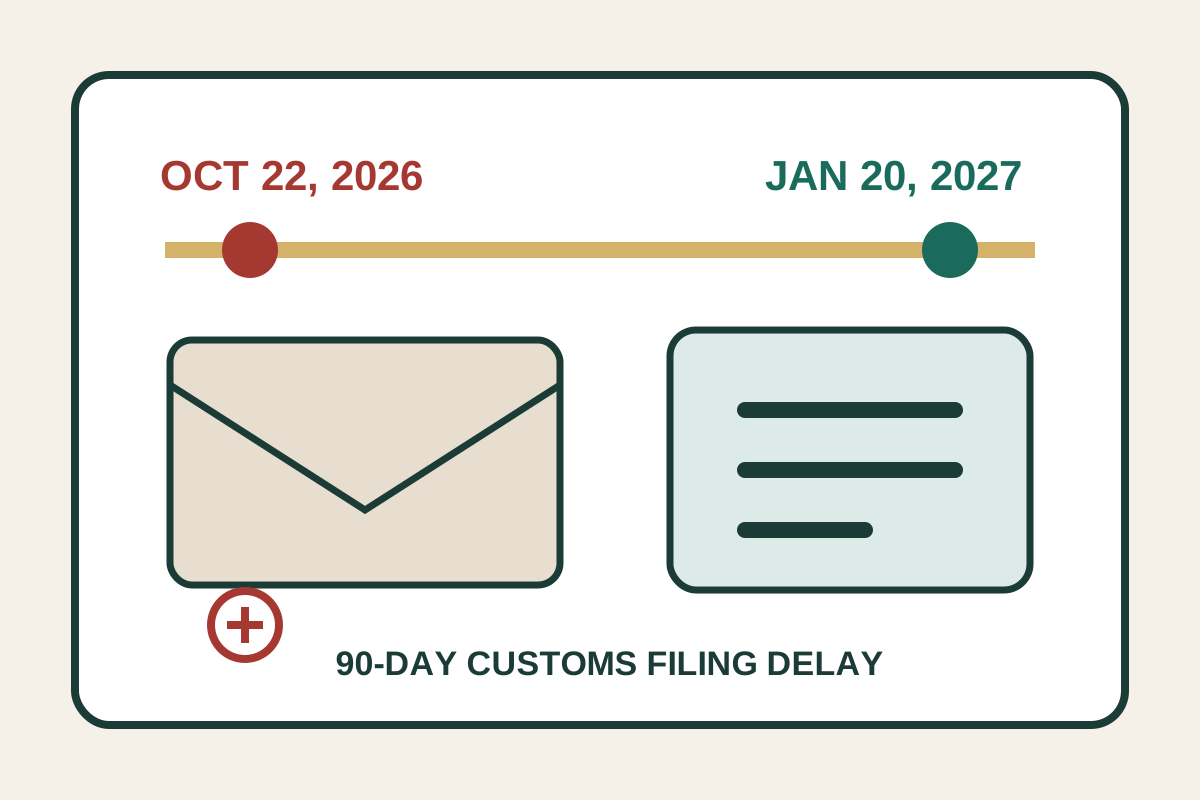
U.S. Customs and Border Protection postponed mandatory use of its new Entry Type 13 process for certain international postal shipments until January 20, 2027, 90 days later than the planned October 22 start. Reuters reported that CBP said existing international-mail entry procedures will not change before the new date.
The process requires electronic filing and a customs bond for postal shipments subject to specified trade duties or overseen by a partner agency such as the FDA. The change does not restore the suspended de minimis exemption for low-value mail, legalize foreign prescription purchases or guarantee that medicine shipments will be exempted after January 20.
Why It Matters
A technical customs change can become a health-access issue
Some Americans order medicines from licensed pharmacies abroad because prices may be lower or a product is unavailable domestically. The FDA generally restricts personal importation of unapproved prescription drugs, though its personal-importation policy describes limited circumstances in which the agency may exercise discretion.
Patient advocates, pharmacy groups and 71 members of Congress warned that new data and bonding requirements could cause refusals, delays or additional charges for personal orders. CBP says the extra time will let importers, brokers and logistics providers update systems while the agency closes enforcement gaps exploited by smugglers.
Practical Implications
Near-term continuity is more likely, but uncertainty remains
- Before January 20: CBP says existing international-mail entry procedures remain unchanged.
- For patients: the delay is not a guarantee that an order will clear customs. FDA admissibility rules, prescription requirements, tariffs and carrier policies still apply.
- For pharmacies and shippers: the extra 90 days provide time to test electronic filings and bonding arrangements.
- For policymakers: the unresolved question is whether personal-use prescriptions will receive a durable exception or tailored process.
Anyone considering an overseas medicine purchase should verify the seller, product and applicable rules with a licensed clinician or pharmacist. This article provides general information, not personal medical advice.
What Remains Uncertain
The delay does not settle the long-term policy
CBP's announcement did not specifically address prescription medicines, and HHS referred questions about a personal-use exemption to CBP. The government could issue additional guidance, revise the process or allow the deadline to take effect without a medicine-specific carveout.
Analysis: the postponement lowers the immediate disruption risk but moves the same operational and affordability questions into January. Forecast: pressure for more detailed guidance is likely to continue before the new deadline. Opinion: Health Politics Daily takes no position on personal importation; a transparent rule distinguishing lawful patient access from commercial evasion would make the tradeoffs easier to assess.
Bias Lens: how the delay is framed
CBP delayed mandatory Entry Type 13 filing for specified international postal shipments from October 22, 2026 to January 20, 2027. The delay does not itself create a prescription-drug exemption.
Center coverage: Reuters leads with the prescription-cost and election-timing implications while explaining CBP's anti-smuggling rationale. Publisher coverage: AP's earlier report emphasized patients who feared higher costs under the original deadline. No timely, comparably detailed mainstream left- and right-leaning pair had published on the delay, so this lens does not force partisan symmetry.
The main framing difference is between patient affordability and customs enforcement capacity, not a reliably partisan disagreement.
Principal Sources
Customs policy, FDA guidance and independent reporting
- Reuters — CBP delay and stakeholder response
- FDA — personal importation policy
- CBP — how international mail is processed
- Associated Press — patient impact before the postponement
No suitable directly relevant official or publisher-authorized video with clear embedding permission was available.
Related Coverage