IRAN — DIPLOMACY — ENERGY SECURITY
Is There a U.S.–Iran Deal to Reopen Hormuz? What the Phased Talks Cover
Negotiators are exploring linked steps that could restore commercial passage and ease the U.S. blockade. They have not announced a final agreement.
By Health Politics Daily News Desk · Published Thursday, September 24, 2026 at 4:01 p.m. America/New_York · Approximately 7 minutes

Watch in this article
Pumpjack operating at the Kern River Oil Field
A short CC0 field video provides visual context for reporting on oil production and fuel supply.
Thomas Farley / Wikimedia Commons · CC0 1.0 · License and source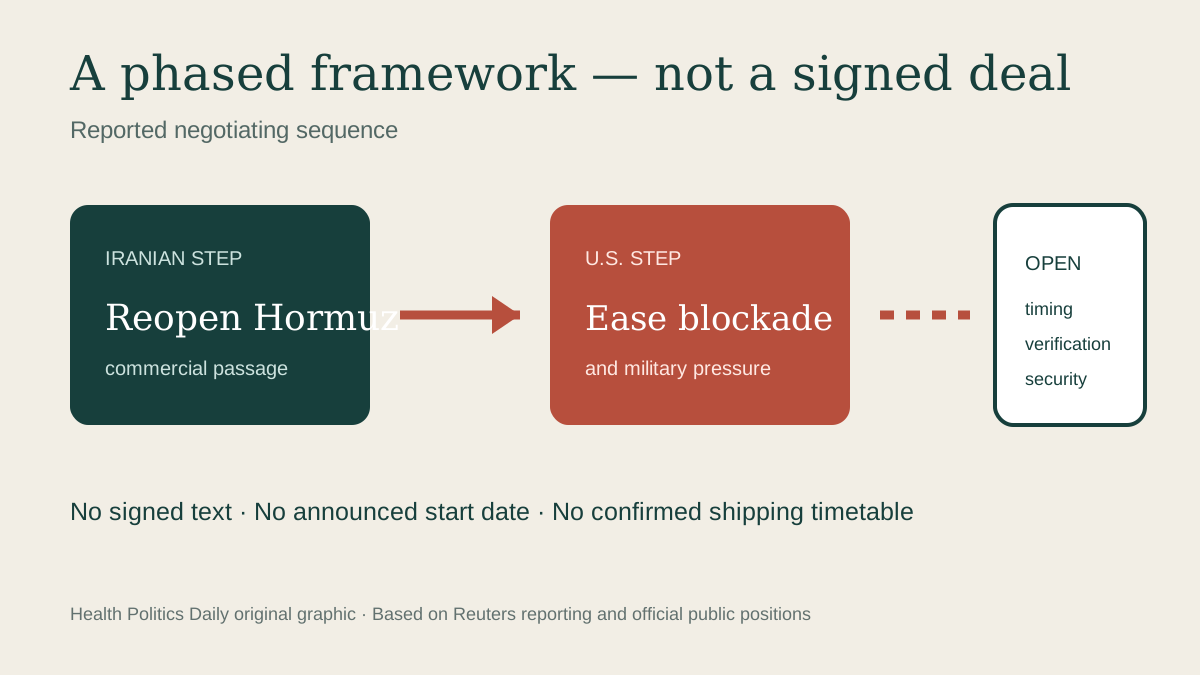
Verified Baseline
Negotiators are discussing a phased framework; no deal is announced
U.S. and Iranian negotiators in New York are exploring linked steps under which Iran would reopen the Strait of Hormuz and the United States would ease its naval blockade and military pressure, Reuters reported September 24, citing sources close to the talks.
That is a meaningful development beyond the direct meeting reported earlier this week. It is not a signed agreement, ceasefire, shipping order or guarantee that either government has accepted the other side’s sequence.
What the Framework Covers
Each side would trade a source of leverage for a verified step
Iran has publicly signaled that it could reopen Hormuz within about a week if the United States reduced military pressure and lifted the blockade on Iranian ports. Washington seeks safe, predictable commercial passage through a route central to Gulf energy exports.
The phased structure is meant to prevent either side from surrendering all leverage first. But public reporting does not establish the precise order, what level of shipping would count as reopening, how compliance would be verified, or what would happen after a violation.
Why It Matters
Hormuz affects fuel costs, shipping risk and civilian conditions
The International Energy Agency describes Hormuz as the primary export route for oil produced by several Gulf states and a route serving major Asian importers. Disruption raises freight, insurance and energy costs even outside the region.
An easing of the U.S. blockade could also change access to Iranian ports and economic pressure on civilians. Those effects depend on the scope and duration of any eventual agreement; discussion alone does not reopen shipping or lower prices immediately.
What Is Still Uncertain
Nuclear, sanctions and security disputes remain outside the simple headline
The parties have not publicly released a common text. The status of broader sanctions, nuclear restrictions, military deployments, toll demands, enforcement and future talks remains unclear. A temporary maritime arrangement would not by itself end the wider conflict.
Analysis: the strongest evidence of progress would be matching public readouts, a written sequence, verifiable shipping changes and clear instructions from maritime authorities. Until then, forecasts of a rapid peace or immediate price relief are speculative.
Practical Implications
Consumers and businesses should not treat talks as a price guarantee
Energy prices can react to expectations before physical flows change, then reverse if negotiations fail. Households should not make major fuel or investment decisions on a diplomatic headline alone. Shipping operators should continue relying on official maritime and sanctions guidance, including the International Maritime Organization and U.S. Treasury notices.
Bias Lens: covering the Hormuz talks
A phased framework is under discussion. Neither government has announced a final agreement, a reopening date or an enforceable implementation plan.
The Guardian has framed the diplomatic opening alongside the war’s costs and Trump’s threats. Reuters focuses on the reported sequence and each side’s retained leverage. Right-leaning coverage generally emphasizes enforcement and the risk of relaxing pressure without verified compliance. These are differences in emphasis; none should turn a proposal into a completed agreement.
Principal Sources
Evidence and reporting used
- Reuters — September 24 phased-talks report
- Reuters — Iran’s stated conditions
- International Energy Agency — Hormuz oil-security context
- International Maritime Organization — operational guidance
No suitable directly relevant authorized video with clear embedding permission was available.