BUSINESS — TECHNOLOGY LAW
Does Apple Have to Pay $5.7 Billion Now? What the Taction Patent Verdict Means
A federal jury found that haptic-feedback systems in iPhones and Apple Watches infringed two Taction patents. The award is historic, but the judge’s rulings and Apple’s promised appeal could still alter the result.
By Health Politics Daily News Desk · Published Sunday, September 27, 2026 at 10:00 a.m. America/New_York · Approximately 7 minutes
Verified Baseline
A jury awarded Taction more than $5.7 billion
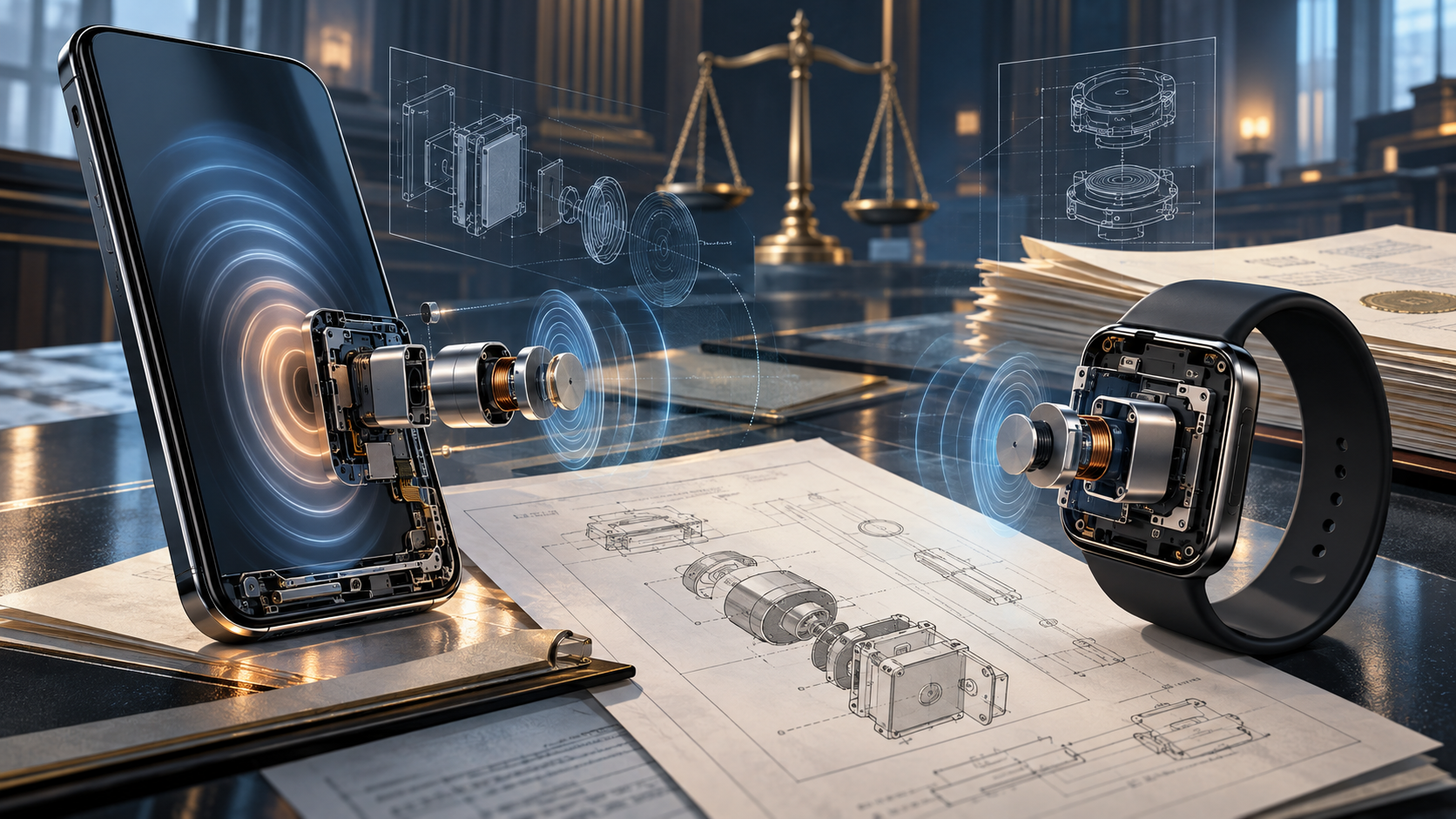
A federal jury in San Diego found that Apple’s Taptic Engine infringed claims in two patents held by Taction Technology and awarded the company $5.72 billion. The technology at issue produces tactile feedback—the taps and vibrations users feel from iPhones and Apple Watches.
Reuters reported the verdict and Apple’s response. Apple said its technology is fundamentally different, that Taction’s own testing supported Apple’s position, and that it will appeal. Taction said the jury vindicated its patent rights.
What the Verdict Covers
The dispute centers on two haptic-feedback patents
The jury found infringement of claims in U.S. Patent Nos. 10,659,885 and 10,820,117. Taction, which has used its technology in headphones and gaming headsets, filed the lawsuit in 2021.
The case had previously ended in Apple’s favor at the district court, but the U.S. Court of Appeals for the Federal Circuit revived it in 2025. The Federal Circuit’s published opinion said the lower court had improperly excluded Taction’s expert infringement theories. That ruling returned the dispute for further proceedings; it did not decide that Apple infringed.
What Happens Now
A jury verdict is not the final step
The trial judge must enter judgment and can consider post-trial motions asking to change the damages, set aside parts of the verdict or order a new trial. Apple can then pursue its announced appeal. The appeals court could affirm the result, reduce or vacate it, or send issues back for additional proceedings.
A September 3 district-court order also shows that the judge reserved questions about the legal consequences of any damages award until after a verdict. Those remaining proceedings are why “Apple must immediately pay $5.7 billion” goes beyond what is established.
Consumer and Investor Impact
No recall, sales ban or product change has been announced
The verdict does not itself recall any iPhone or Apple Watch, disable haptic feedback, or require customers to take action. No injunction barring product sales was announced with the verdict.
For investors, $5.7 billion is a material award even for Apple, but the amount is disputed and could change. Treating the full figure as a settled cash payment—or forecasting an effect on device prices or Apple’s share price—would be analysis, not a verified consequence.
Why It Matters
The size of the award raises the stakes for patent damages
Reuters described the verdict as the largest U.S. patent verdict to date. Its scale could influence settlement strategy, licensing negotiations and how technology companies assess exposure from components used across many device generations.
That broader influence is not yet measurable. Large patent verdicts are frequently challenged after trial and on appeal, and the final enforceable amount can differ sharply from a jury’s initial award.
Bias Lens: how coverage frames the verdict
A federal jury found that Apple infringed two Taction haptics patents and awarded $5.72 billion. Apple denies infringement and says it will appeal; no recall, sales ban or final appellate decision has occurred.
Reuters, used as the center baseline, emphasizes the record size, the two patents and the competing statements from Apple and Taction. Bloomberg Law focuses more on the trial record, patent numbers and litigation context. Consumer-technology outlet 9to5Mac frames the story around the Taptic Engine and Apple-device users. This is a patent dispute rather than a developed left-right political disagreement; forcing partisan labels would be misleading. The meaningful difference is whether coverage centers the legal process, the corporate financial risk or the consumer technology.
What Remains Uncertain
The final liability may take years to resolve
Key unknowns include the judge’s post-trial rulings, whether the damages figure survives, the issues Apple raises on appeal, and whether the parties reach a settlement. No reliable timeline or final payment amount has been established.
This article explains a public court dispute and is not legal or investment advice.
Principal Sources
Evidence and reporting used
- Reuters — verdict, award and statements from the parties
- U.S. Court of Appeals for the Federal Circuit — 2025 appellate opinion
- U.S. District Court order — pre-verdict legal issues
- Bloomberg Law — trial and patent details
No suitable directly relevant authorized video with clear embedding permission was available.