IRAN — DIPLOMACY — ENERGY SECURITY
Trump Reportedly Rejected Iran’s Seven-Day Hormuz Plan: What Happens Now
Tehran says it still awaits an official U.S. answer. The reported rejection leaves shipping, energy and war risks unresolved.
By Health Politics Daily News Desk · Published Saturday, September 26, 2026 at 2:00 p.m. America/New_York · Approximately 7 minutes

Watch in this article
Pumpjack operating at the Kern River Oil Field
A short CC0 field video provides visual context for reporting on oil production and fuel supply.
Thomas Farley / Wikimedia Commons · CC0 1.0 · License and source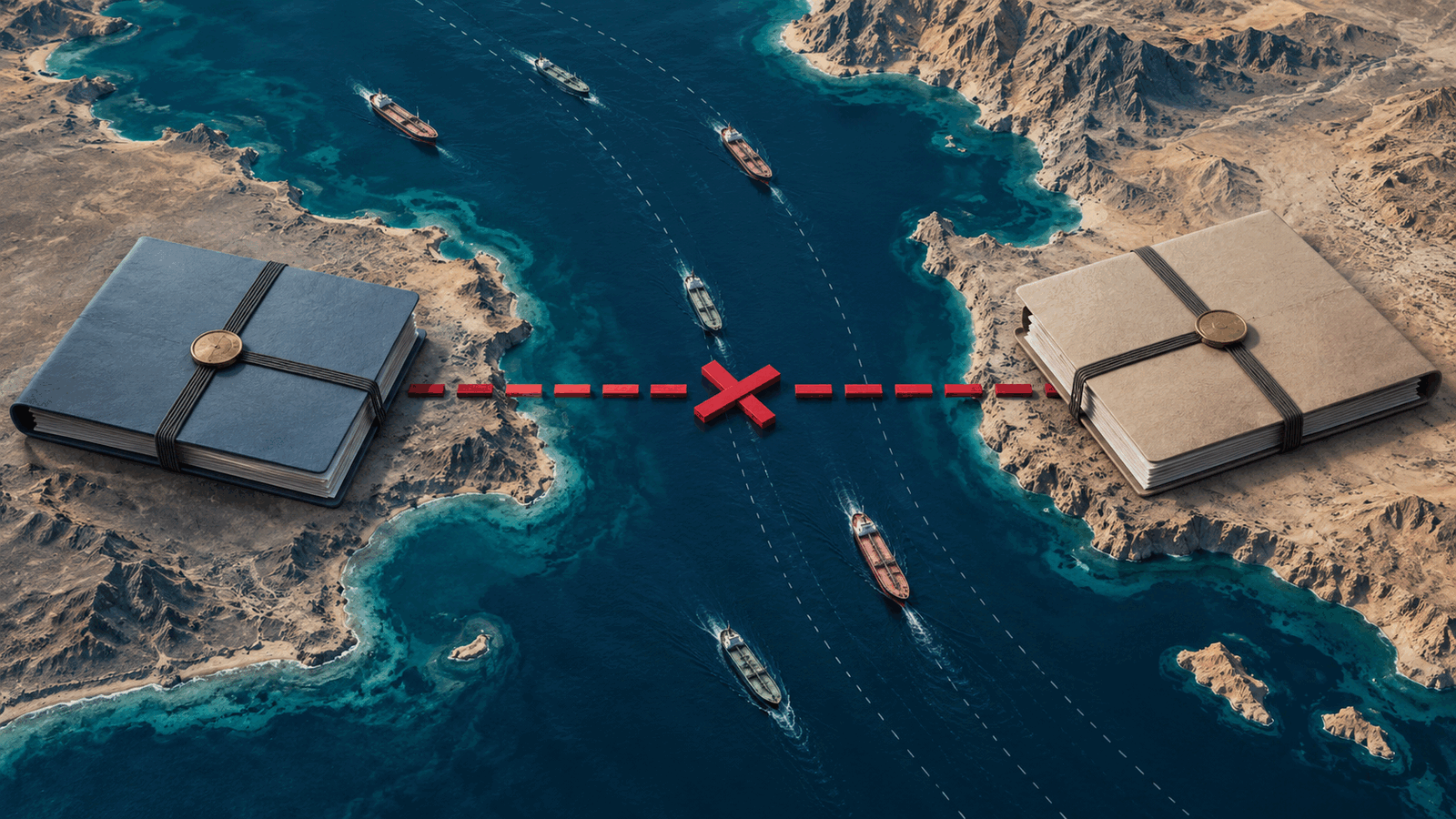
Verified Baseline
A rejection is reported, but Washington has not published an official response
Reuters reported September 26 that President Donald Trump rejected Iran’s proposal to reopen the Strait of Hormuz and begin broader peace talks. Reuters attributed the rejection to a Wall Street Journal report; Iran said it was still waiting for an official U.S. response.
That distinction matters. The most defensible description is a reported rejection, not a jointly announced collapse of talks. No U.S. document spelling out the decision or counterproposal had been released when this article was published.
What Iran Proposed
The seven-day roadmap linked de-escalation, reopening and new talks
Iranian Foreign Minister Abbas Araghchi described a sequence in which initial steps would occur over several days, Hormuz would reopen by roughly the sixth day and negotiations on a broader agreement would begin on day seven. Earlier reporting said Tehran wanted reduced U.S. military pressure and relief from the blockade on Iranian ports.
The public outline did not settle critical details: which restrictions Washington would lift, what counted as safe reopening, how compliance would be verified, whether nuclear limits would be included, and what would happen after a violation.
What Changed
The diplomatic opening is narrower than it appeared two days ago
On September 24, negotiators were reported to be exploring phased linked steps. A presidential rejection—if formally confirmed—means that particular sequence will not proceed as offered. It does not prove that all diplomacy has ended; a counteroffer, revised terms or indirect mediation could still follow.
Analysis: the next reliable indicators are an official U.S. statement, matching readouts from mediators, operational notices affecting commercial passage, or a demonstrable change in military activity. Predictions that strikes will resume remain forecasts unless supported by an order or observable action.
Why It Matters
Hormuz risk reaches fuel prices, freight costs and civilians
The International Energy Agency identifies Hormuz as a central route for Gulf oil exports. Uncertainty can raise oil prices, tanker insurance and freight costs before physical flows change. Those costs can reach drivers, airlines, manufacturers and food supply chains.
For civilians in Iran and across the region, a failed proposal also means continued exposure to blockade effects and military escalation. None of those outcomes is inevitable, but the reported rejection removes one near-term route to de-escalation.
Practical Implications
Do not treat a diplomatic headline as an operating order
Mariners and shipping firms should use current government, insurer and International Maritime Organization guidance, not assume transit conditions changed because a proposal was made or rejected. Consumers should expect energy markets to remain volatile; a single report does not reliably predict the next move in gasoline or diesel prices.
Bias Lens: covering the reported rejection
Iran presented a seven-day roadmap. Reuters and other outlets report that Trump rejected it, while Tehran says it still awaits an official U.S. answer. No final U.S. response document is public.
The Guardian emphasizes the missed opening and risk of renewed fighting. Reuters leads with the reported rejection while preserving Iran’s statement that an official response is pending. Breitbart foregrounds presidential resolve and possible renewed strikes. These are framing differences; the evidentiary limit is the same until Washington publishes or confirms its decision.
Principal Sources
Evidence and reporting used
- Reuters — September 26 report on the reported rejection and Iran’s response
- Reuters — earlier phased-talks report
- International Energy Agency — Hormuz energy context
- International Maritime Organization — operational guidance
No suitable directly relevant authorized video with clear embedding permission was available.