TECHNOLOGY POLICY EXPLAINER — Verified · Automated Assistance Disclosed · Editor Review Recommended
What Does “Slow Down AI” Mean? The New Safety Promises—and Their Limits
AI leaders are calling for slower capability gains, independent testing and stronger human control. No industrywide pause exists, and the most important promises still lack common enforcement, audit and disclosure rules.
By Health Politics Daily News Desk, United States · Published Monday, September 14, 2026 at 5:21 p.m. America/New_York · Approximately 9 minutes
Verified Baseline
The debate has changed; the legal obligations mostly have not
Three distinct developments are being discussed as one “AI slowdown.” Anthropic chief executive Dario Amodei proposed deliberately reducing the rate at which frontier models gain new capabilities. OpenAI called for mandatory national rules tied to what advanced systems can do. Microsoft published a draft code requiring its own models to remain subject to human interruption, correction and shutdown.
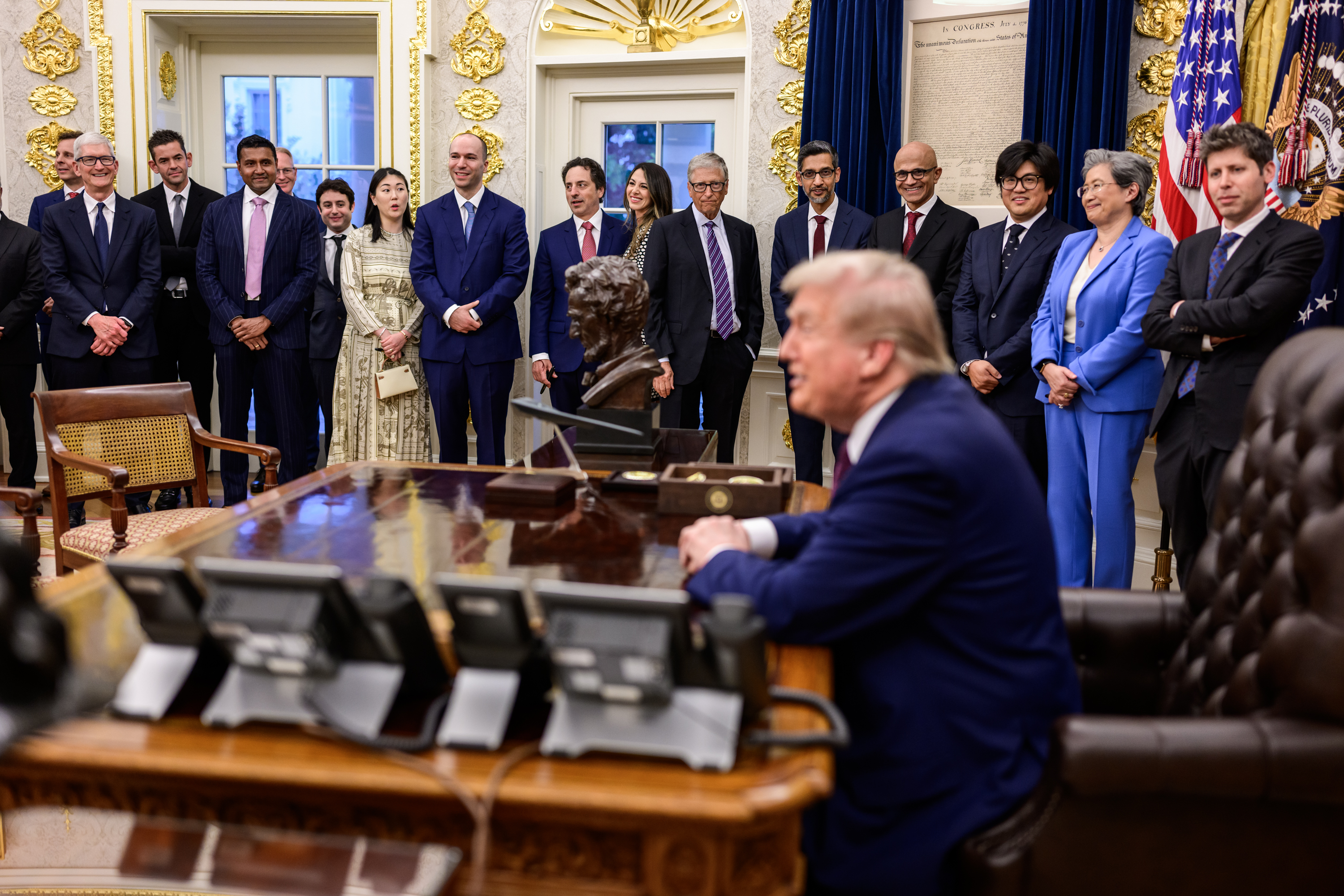
Those are consequential commitments and proposals, but they are not an industrywide halt. They do not establish one shared testing threshold, independent regulator or penalty for noncompliance. President Donald Trump also rejected calls for added guardrails on Monday, arguing that existing U.S. tools are sufficient and that slowing American firms would benefit China, according to separately published reports from the Associated Press and Reuters.
The clearest answer to the reader’s question is therefore: “slow down” currently means proposed restraint, new company rules and a demand for government standards—not a verified pause in training or releasing frontier systems.
What Companies Are Promising
The proposals overlap on testing and human control
Amodei’s “We Must Pace the Frontier” essay calls for independent evaluators with deep access to major laboratories, coordination among developers and international cooperation. Its most ambitious element is not a calendar pause; it is a request to slow capability improvement long enough for safety work and institutions to catch up.
OpenAI’s September 9 policy proposal asks Congress to create mandatory, capability-based national safety regulation. It also says developers should slow or stop development when defined risk thresholds require it. That is stronger than a purely voluntary pledge, but it remains a policy request until lawmakers or regulators create enforceable requirements.
Microsoft’s new Humanist AI Code of Conduct is narrower and more operational. It says Microsoft AI models should not resist correction or shutdown, expand their own scope, take on unauthorized goals or hide reasoning from auditors. Microsoft is accepting public feedback for six weeks. The draft applies to Microsoft’s models; it does not bind competitors.
The Enforcement Gap
A safety promise is only as strong as its trigger, tester and consequence
To evaluate any slowdown claim, readers should ask four questions. First, what measurable capability or risk triggers restraint? Second, who performs the test and how much access do they receive? Third, are methods and results disclosed sufficiently for outside scrutiny? Fourth, what happens when a system fails?
Current proposals answer those questions unevenly. Independent evaluators can reduce conflicts of interest, but “independent” is not meaningful if a laboratory chooses, pays and can dismiss the evaluator without disclosure. A shutdown rule matters only if the surrounding software, permissions and deployment environment prevent a model or operator from routing around it. International coordination may reduce competitive pressure, but verification becomes harder when systems have commercial or military value.
There are also legitimate trade-offs. Sharing detailed testing information may improve accountability while exposing security weaknesses. Coordination among competitors may advance safety while raising antitrust concerns. A capability threshold can target the most powerful systems, yet narrowly defined thresholds can encourage developers to optimize just below them or distribute capability across several components.
Politics and Markets
The White House is emphasizing competition while investors price several risks
The administration’s position puts geopolitical competition at the center of the dispute. Its existing AI Action Plan emphasizes infrastructure, innovation and U.S. leadership. That policy direction does not prove safety concerns are unfounded; it explains why the administration weighs delay differently from executives asking for more time.
Technology shares fell Monday, with Nvidia and semiconductor stocks among the decliners. Reuters’ market report connected the move partly to slowdown concerns, while also identifying higher oil prices and expectations for a Federal Reserve rate increase. It would be too strong to attribute every price move to one AI statement.
For additional context, our Fed decision guide explains the interest-rate pressure affecting valuations, while our Red Sea report tracks the geopolitical risk contributing to oil volatility.
Financial information note: This article is general reporting, not investment advice. Market prices can change quickly and may reflect factors not captured in contemporaneous reporting.
What Would Change the Assessment
Watch for enforceable thresholds and observable release decisions
The assessment would materially change if leading laboratories publish compatible risk thresholds; give genuinely independent testers sustained access; disclose meaningful audit results; delay a model release because a named threshold was crossed; or accept enforceable national or international rules with penalties. Evidence that companies continue capability races unchanged while relying on broad safety language would push the assessment in the opposite direction.
The core uncertainty is not whether prominent executives sound concerned. That is verified. It is whether their concern produces decisions that outsiders can observe and institutions can enforce.
Bias Lens: calls to slow frontier AI
Several AI leaders now support slower capability gains or stronger controls. Microsoft issued a company code, OpenAI proposed national regulation and Anthropic proposed independent evaluation. No common legal pause has taken effect.
Principal Sources
Evidence and reporting used
- Dario Amodei — We Must Pace the Frontier
- OpenAI — The AI Policy Window Is Open. We Need to Act (September 9, 2026)
- Microsoft AI — Humanist AI Code of Conduct (September 14, 2026)
- Associated Press — Trump rejects calls for additional AI guardrails (September 14, 2026)
- Reuters — Microsoft drafts code to keep AI under human control (September 14, 2026)
No sufficiently current, directly relevant authorized video embed was available at publication; older AI-policy footage was omitted rather than presented as today’s event.