World History · Daily chronology
Virgil, Revolution and Independence: September 21 Across the Centuries
A carefully dated journey from Virgil and medieval England to the French Republic, The Hobbit, independence movements and Taiwan’s 1999 earthquake.
Published Monday, September 21, 2026 at 8:17 a.m. America/New_York · Approximately 10 minutes
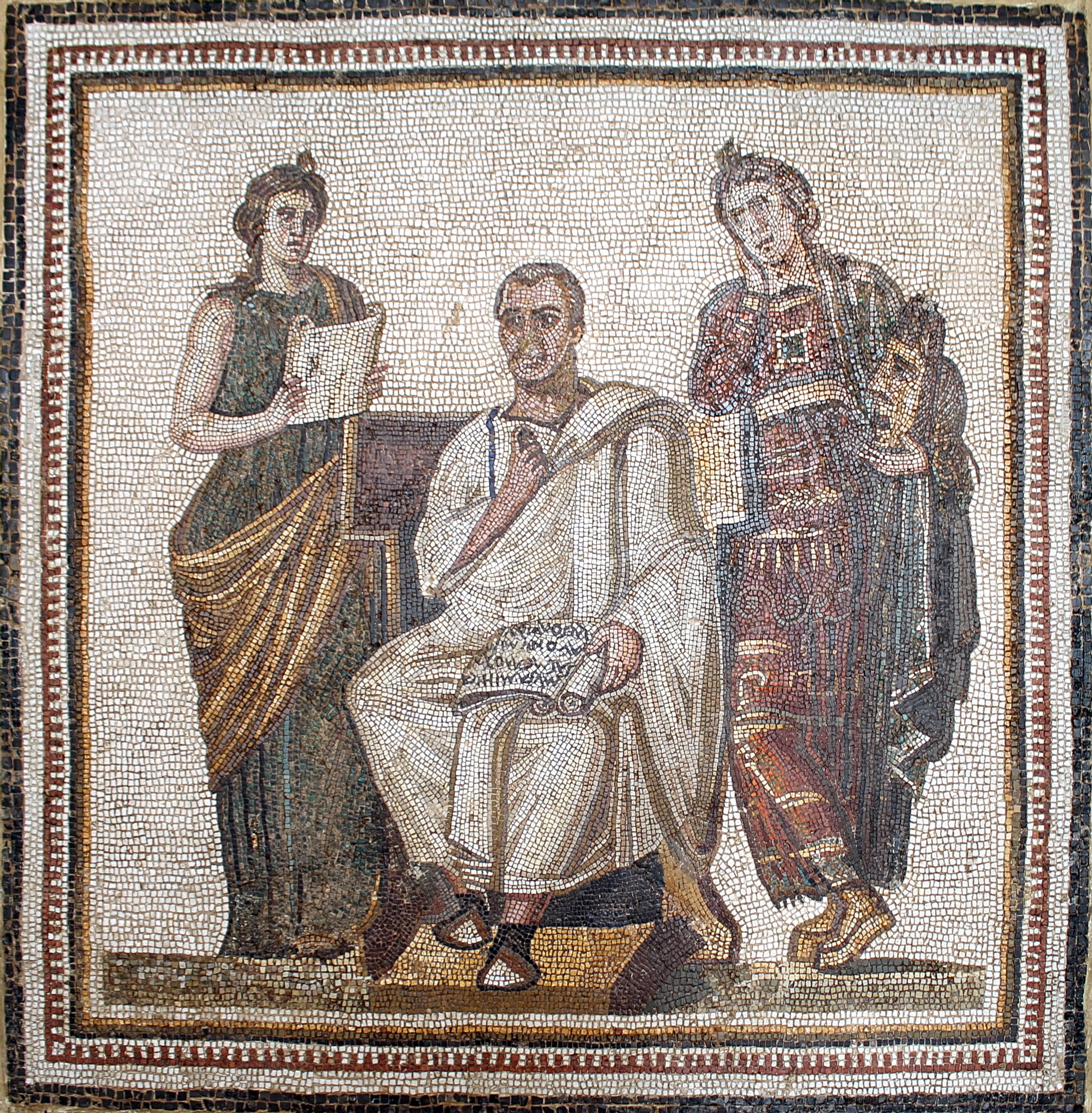
19 BCE · Roman world · traditional chronology
Virgil dies before finishing the Aeneid
Ancient biographical tradition places the poet Virgil’s death at Brundisium on September 21, 19 BCE, after his return from Greece. His epic Aeneid connected Rome’s Augustan present to the legendary Trojan refugee Aeneas, giving Latin literature one of its most influential works. The precise day comes through later literary biography rather than a contemporary civil register, so it is best treated as the traditional date. The unfinished poem survived despite the tradition that Virgil wanted it destroyed, and it became a school text, a political touchstone and a model for later European epic.
1327 · England · death certain, circumstances disputed
Edward II dies at Berkeley Castle
The deposed English king Edward II died at Berkeley Castle on September 21, 1327, months after his wife Isabella of France and Roger Mortimer forced his abdication in favor of his son. His death ended a reign marked by baronial conflict, military defeat in Scotland and disputes over royal favorites. Later chronicles supplied a lurid murder story, but historians continue to debate the manner of death and some details of the official account. The date itself is much firmer than the famous story attached to it.
1792 · France
The National Convention abolishes monarchy
Meeting for the first time amid war and revolution, France’s National Convention abolished the monarchy on September 21, 1792. The new republican calendar counted the following day, September 22, as the opening of Year I, which is why references sometimes attach the republic’s beginning to either date. Abolition removed kingship as the legal basis of the French state; it did not settle what the republic would become. The king’s trial, civil war, foreign invasion and the Terror still lay ahead.
1937 · Britain and global literature
The Hobbit reaches readers
George Allen & Unwin published J.R.R. Tolkien’s The Hobbit in London on September 21, 1937. Tolkien drew on his work as a philologist, medieval literature and stories he had told his children, but created a world with its own languages, history and moral geography. The book’s success led the publisher to seek a sequel; the result became The Lord of the Rings. What began as a children’s adventure helped reshape modern fantasy publishing and global popular culture.
1964 · Malta
Malta becomes independent
After a long history under Mediterranean powers and 164 years of British rule, Malta became an independent state on September 21, 1964. Independence followed constitutional negotiations and a referendum; Malta initially retained Elizabeth II as queen before becoming a republic in 1974. Its location between Europe and North Africa had made the islands a strategic naval base. Sovereignty transformed that strategic inheritance into a question for an elected Maltese government.
1981 · Belize
Belize gains independence
Belize became independent from Britain on September 21, 1981, under legislation enacted by the United Kingdom. The transition came later than for many British Caribbean territories, in part because neighboring Guatemala maintained a territorial claim. Independence created a sovereign Belizean state while leaving that dispute unresolved. The country joined the United Nations four days later, an important act of international recognition.
1991 · Armenia
Armenians vote for independence
Voters in the Armenian Soviet Socialist Republic approved independence in a referendum on September 21, 1991, during the final collapse of the Soviet Union. The vote followed a declaration of sovereignty and came amid conflict over Nagorno-Karabakh, economic disruption and the rapidly weakening authority of Moscow. Armenia marks September 21 as Independence Day, though international recognition and the formal dissolution of the USSR followed later.
1999 · Taiwan
The Chi-Chi earthquake devastates central Taiwan
At 1:47 a.m. local time on September 21, a magnitude 7.6 earthquake struck near Chi-Chi in central Taiwan. More than 2,400 people were killed, tens of thousands of buildings were damaged or destroyed, and surface rupture along the Chelungpu Fault transformed scientific understanding of the event. The disaster prompted changes in building practice, emergency management and seismic research. Taiwan now observes September 21 as National Disaster Prevention Day.
Across the centuries
Dates record both rupture and long transition
September 21 does not reveal one repeating historical law. It does show several kinds of threshold: a literary legacy rescued from an author’s death, a king’s removal, a monarchy abolished, new sovereign states recognized and a society forced to learn from catastrophe. Each moment had a longer before and after. The date is a marker, not the whole explanation.
Sources
Documents and references used
- Encyclopaedia Britannica — Virgil biography and traditional death date
- Encyclopaedia Britannica — Edward II
- Élysée — the French Republic and abolition of monarchy
- Bodleian Libraries, University of Oxford — Tolkien archive
- Commonwealth — Malta country profile and independence date
- UK legislation — Belize Act 1981
- U.S. State Department Office of the Historian — Armenia
- U.S. Geological Survey — 1999 Chi-Chi earthquake event page
- Wikimedia Commons — Virgil mosaic image, public domain